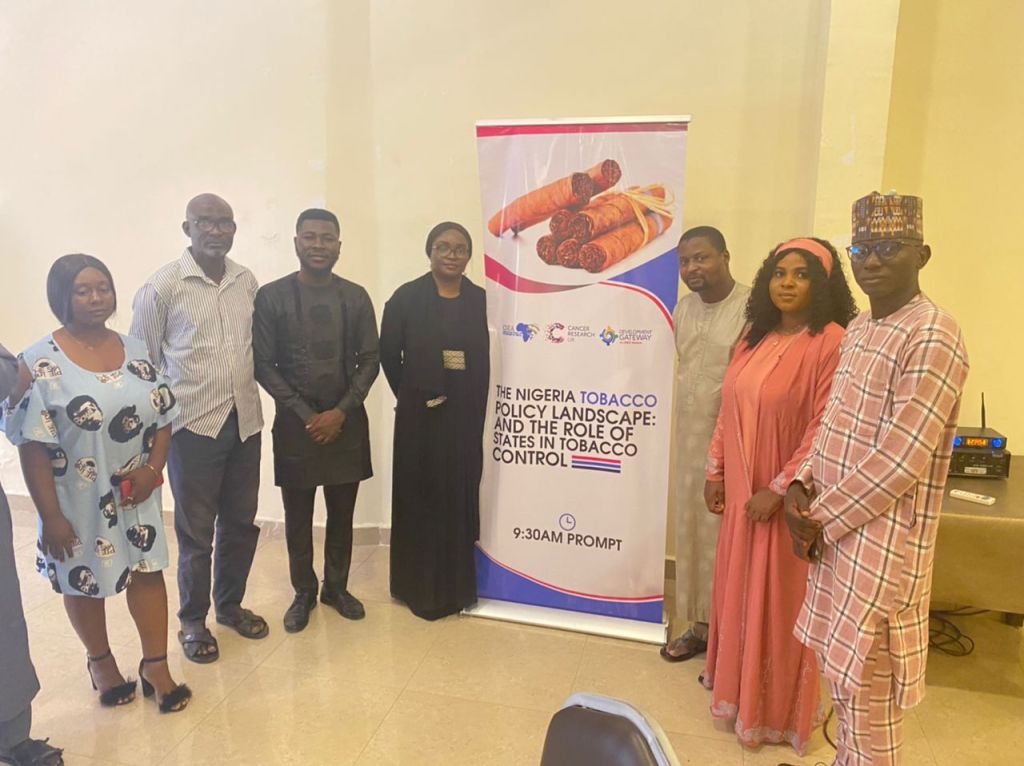
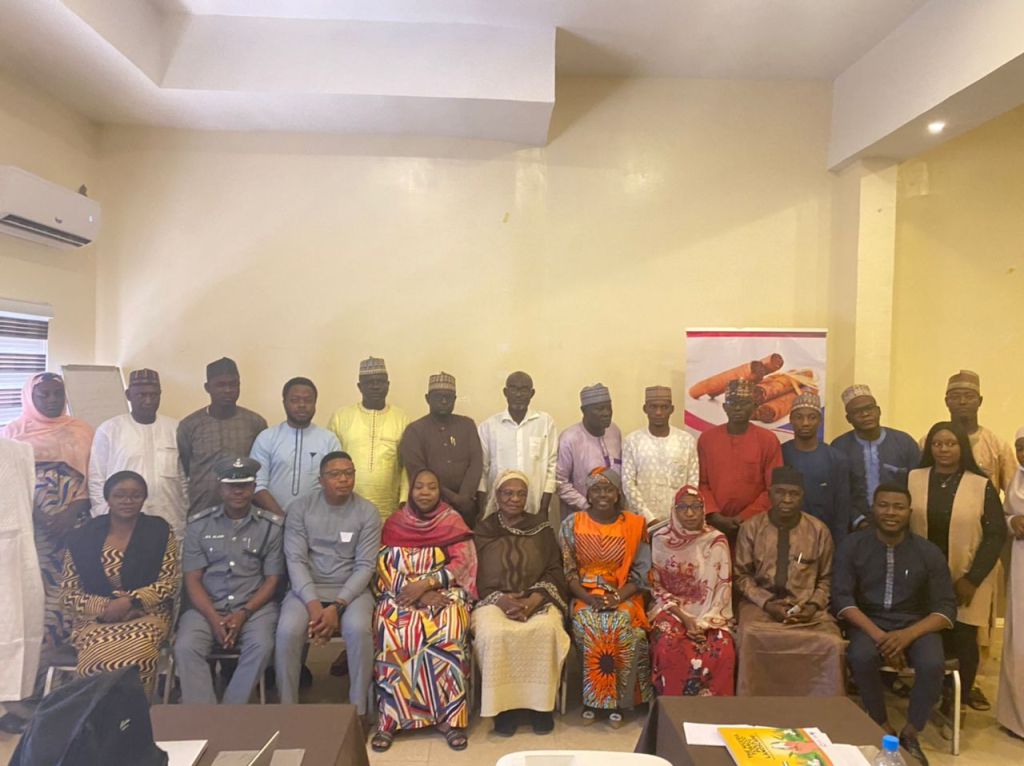
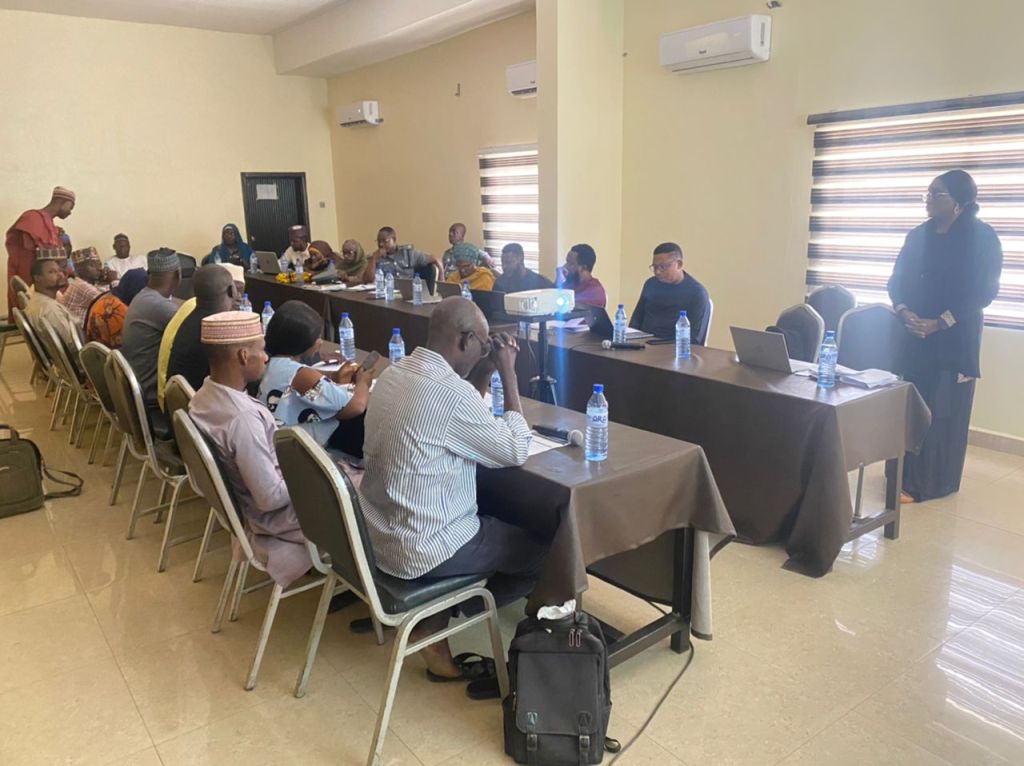
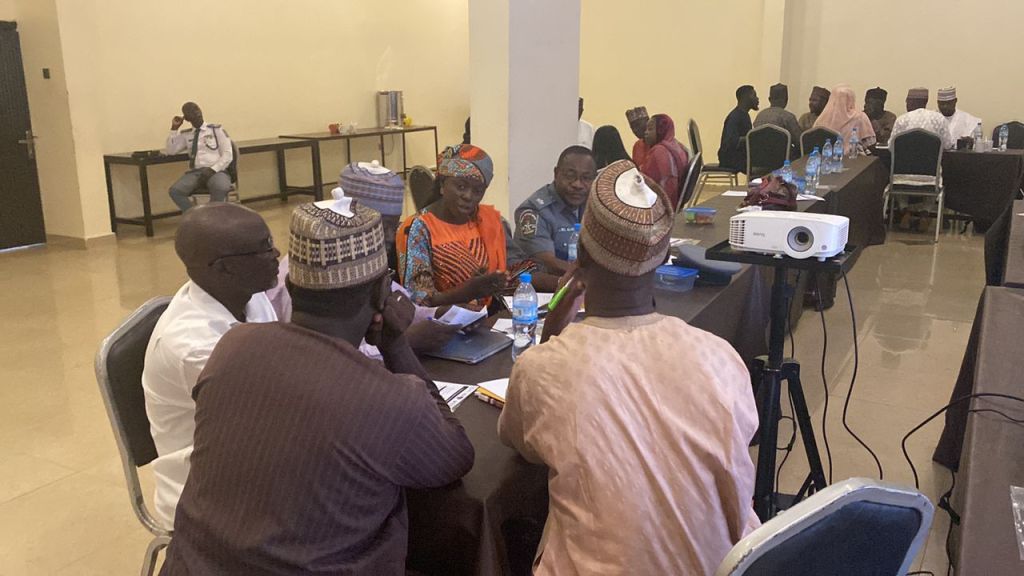
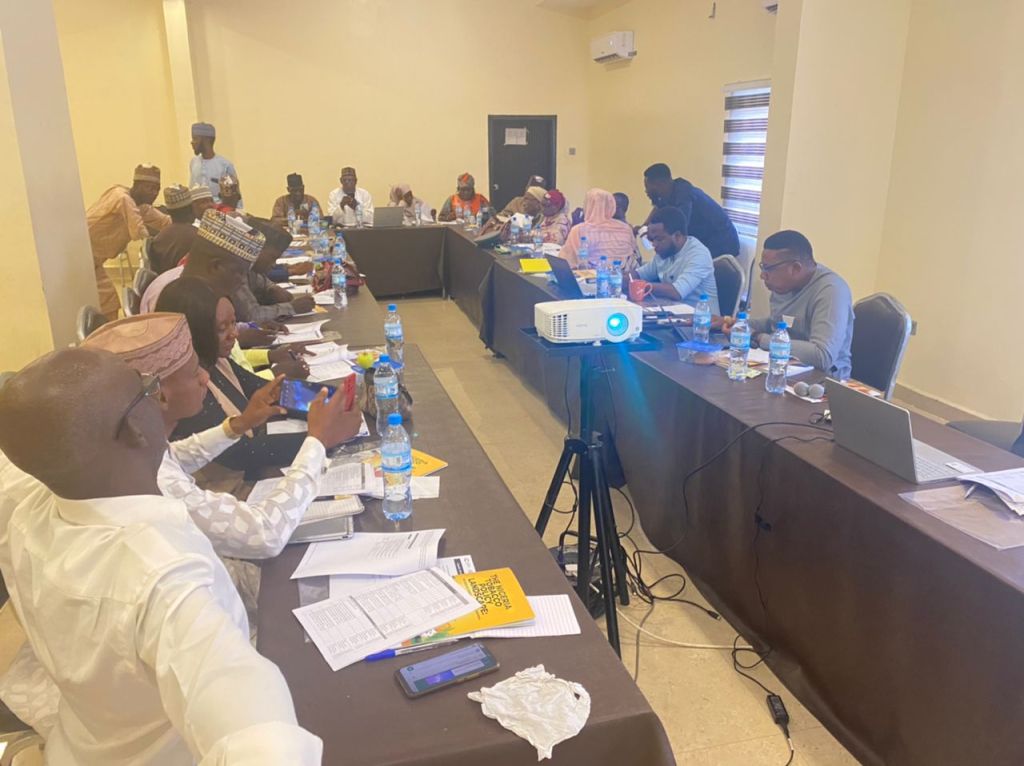
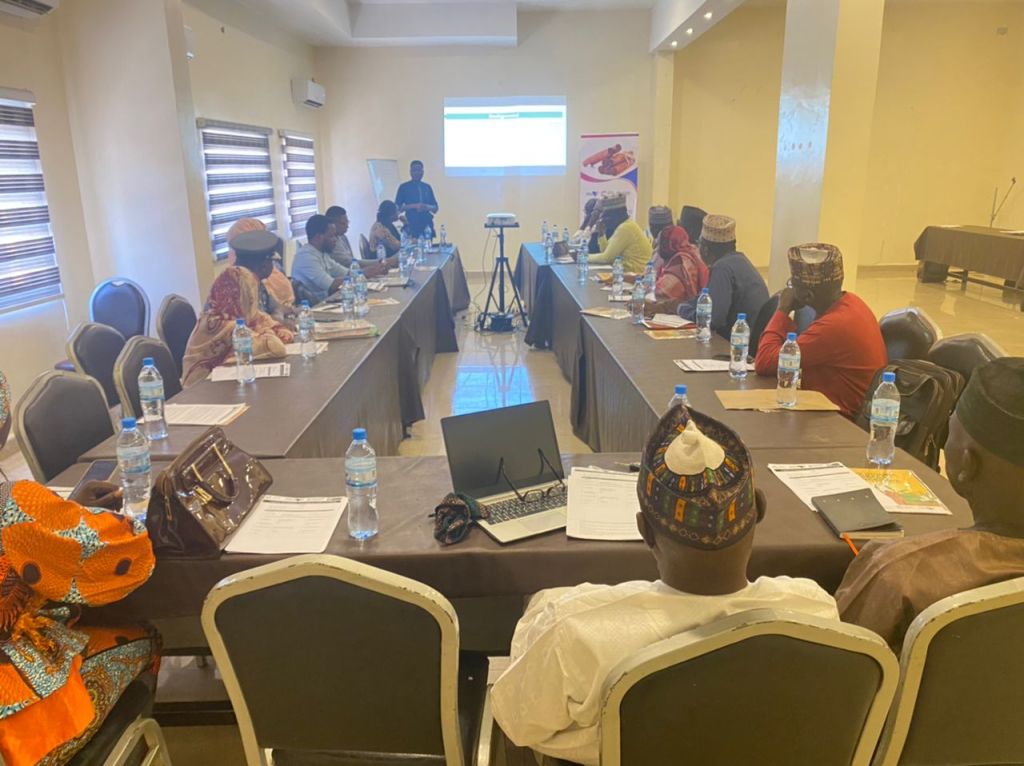
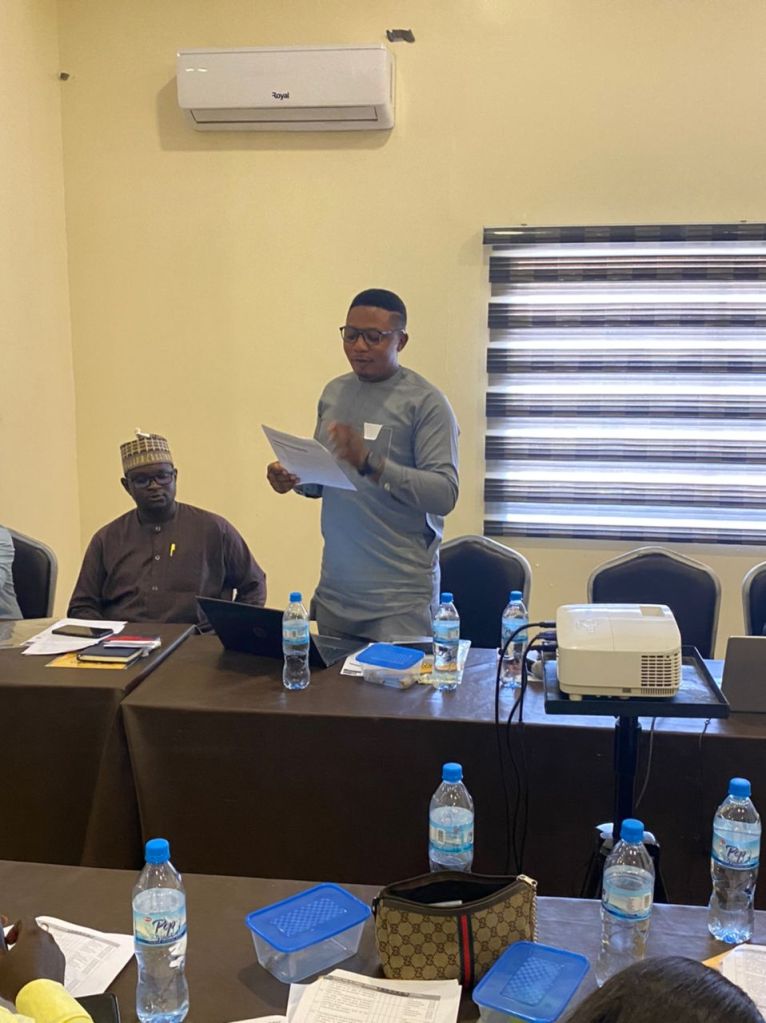
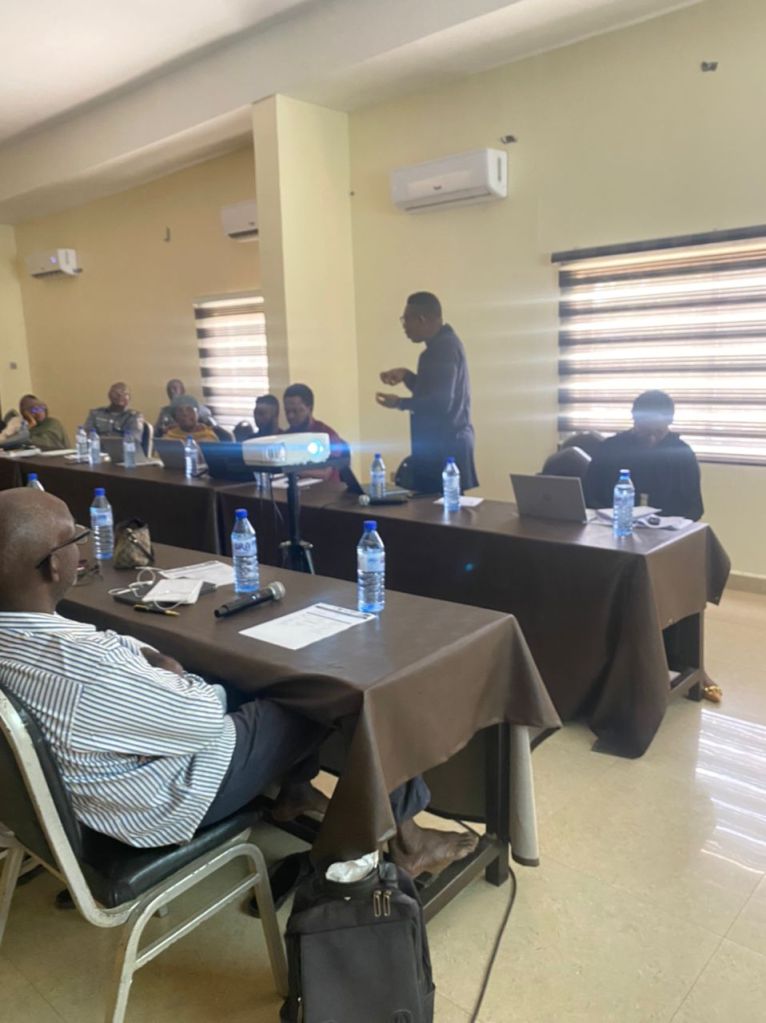
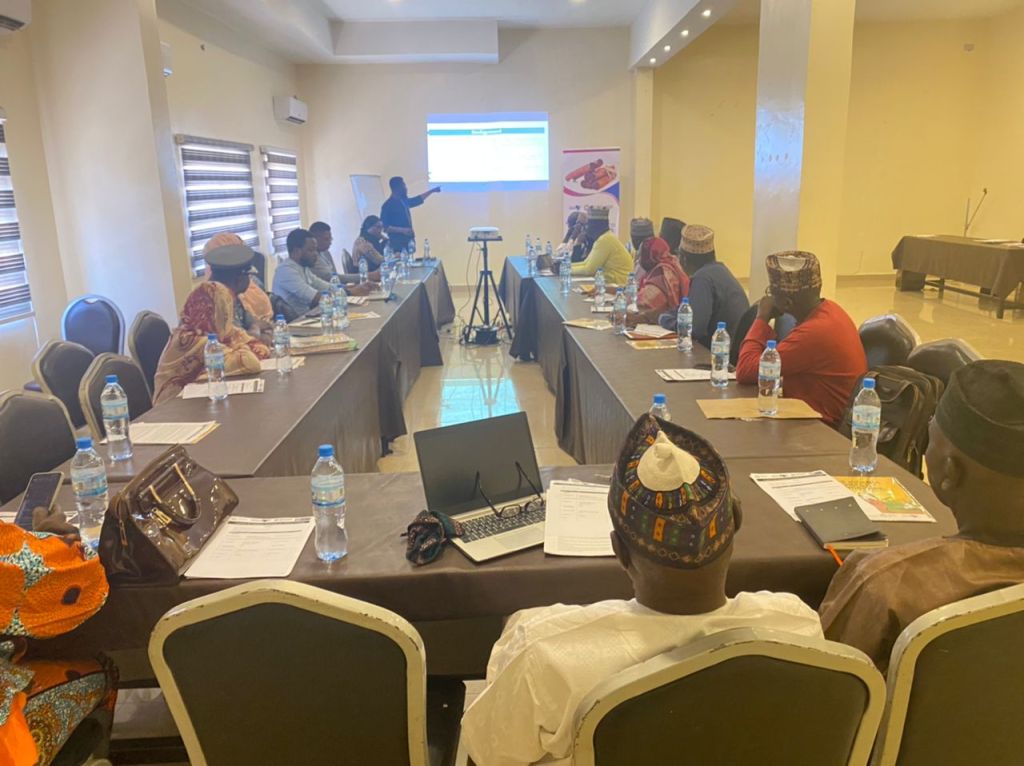
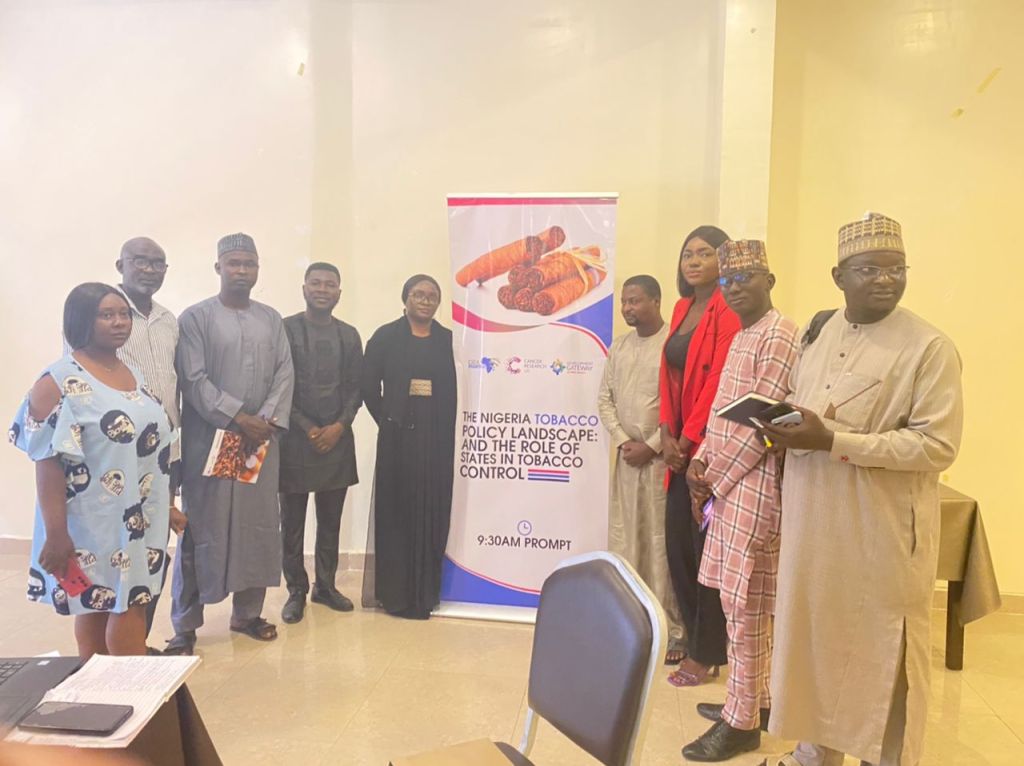
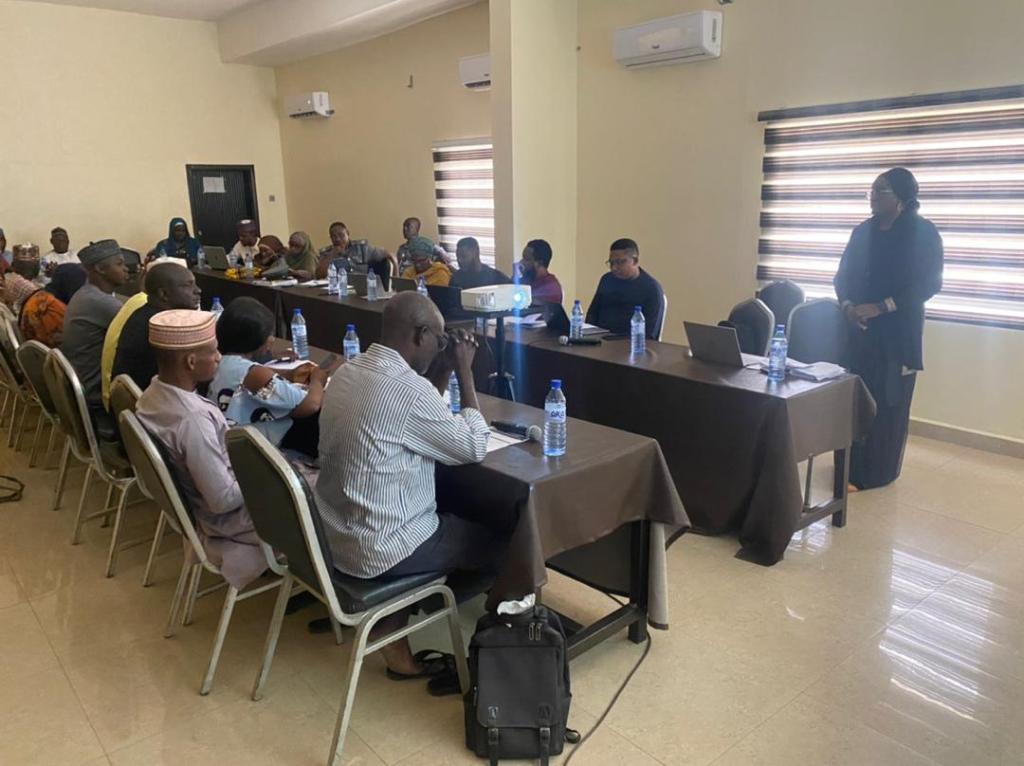
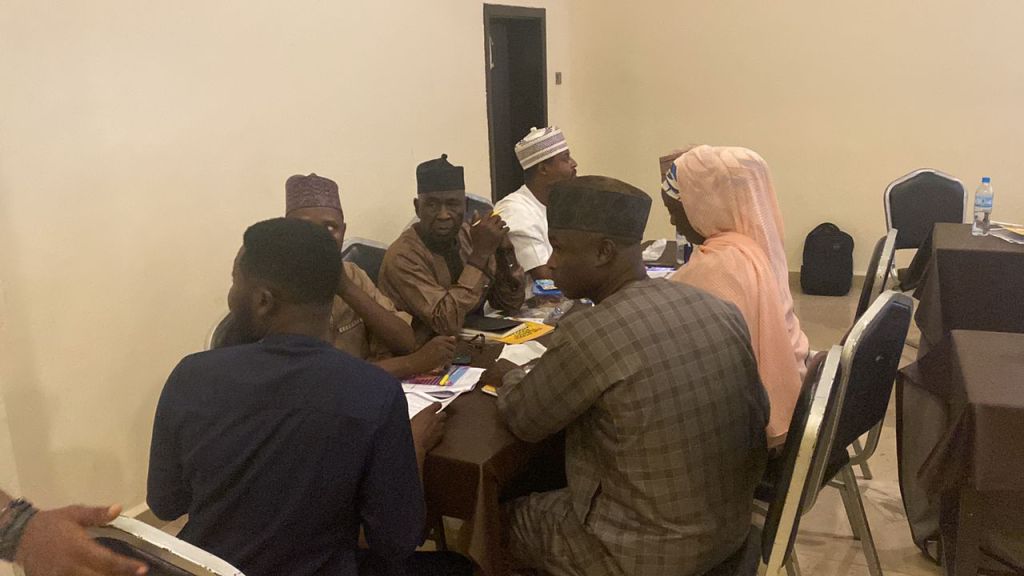
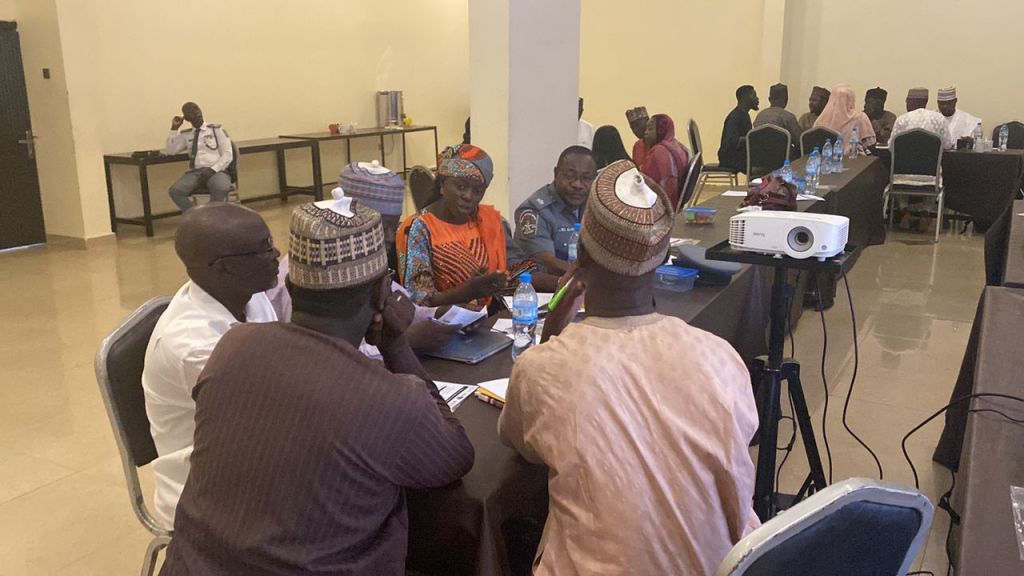
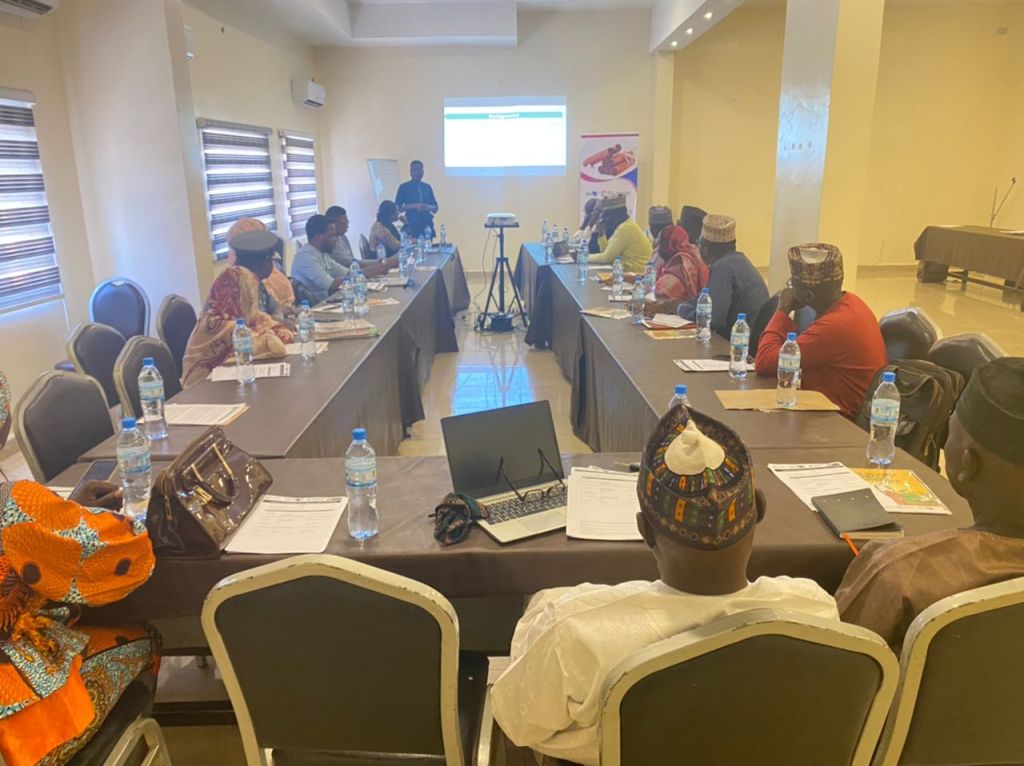
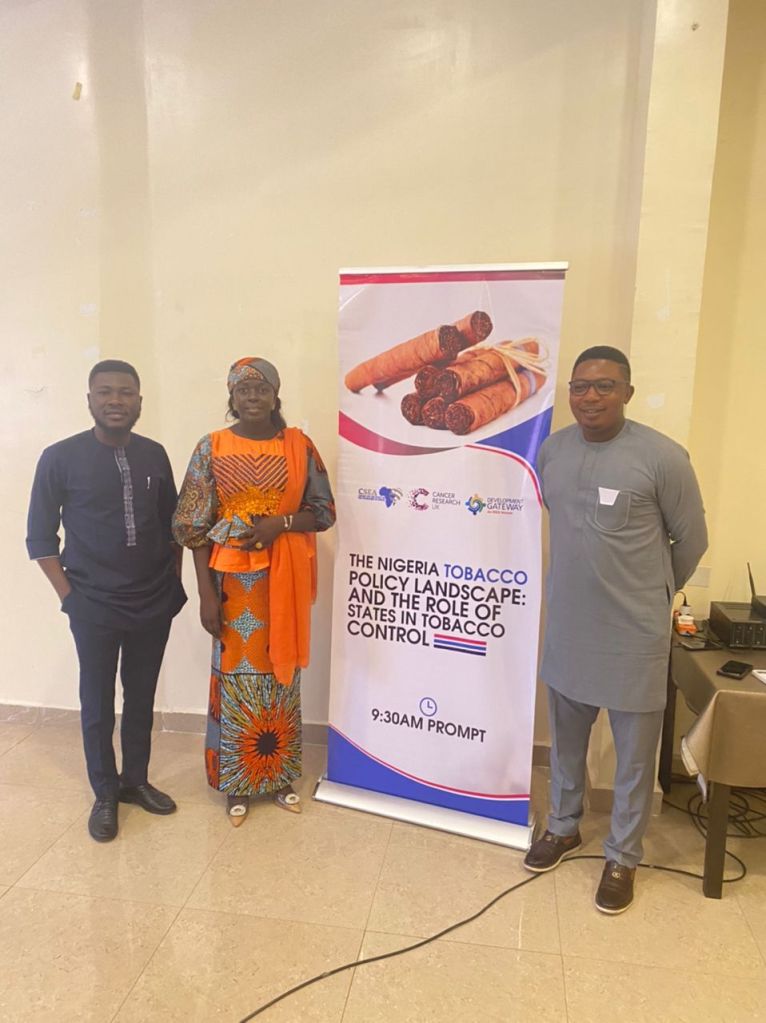
“The advocacy workshop titled “Advocacy on Tobacco Control Policy” was held in Kano State on the 6th and 7th of September, 2023. Representatives from a number of civil society organizations (CSOs) were in attendance, including Hazras Charity Foundation, as well as the Kano State Ministry of Health, the Ministry of Justice, and the Nigeria Customs Service.
The workshop was organized to promote and advance advocacy for the implementation of the National Tobacco Control Act and raise awareness about the dangers of tobacco use. The participants discussed a range of topics related to tobacco control, including the economic and social costs of tobacco use, the role of the media in promoting public health, and the importance of implementing comprehensive tobacco control policies.
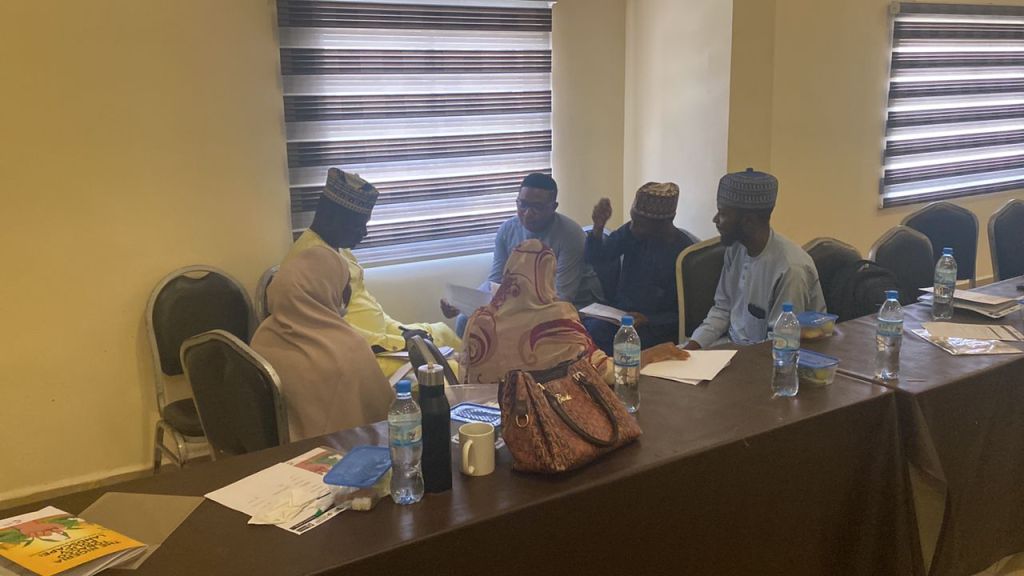
The workshop also provided an opportunity for networking and knowledge-sharing among the participants, and several recommendations were made for future actions to advance tobacco control efforts in Kano State and across Nigeria.
– Strengthening collaboration and coordination between CSOs, government, and other stakeholders to effectively implement the National Tobacco Control Act.
– Raising public awareness about the health risks of tobacco use through mass media campaigns and community outreach.
– Strengthening tobacco control enforcement by increasing capacity and resources for the Nigeria Customs Service, and increasing penalties for violations of the law.
– Engaging with the tobacco industry to limit the industry’s influence on policymaking and limit the promotion of tobacco products.
– Establishing a task force to monitor and evaluate the progress of tobacco control efforts, including the implementation of the National Tobacco Control Act.
– Conducting research on the impact of tobacco control policies on public health and the economy.
– Promoting and protecting the rights of tobacco farmers to ensure a just and equitable transition away from tobacco production.
– Investing in alternative livelihoods for tobacco farmers and other tobacco industry workers affected by tobacco control policies.
– There was a consensus that tobacco control policies should be implemented in a comprehensive and coordinated manner, with the support of multiple sectors, including health, agriculture, trade, and finance.
– Many participants agreed that it is important to engage the media in promoting tobacco control policies and counter the tobacco industry’s influence on public opinion.
– The workshop also highlighted the need for more research on the economic and social costs of tobacco use in Nigeria, as well as the impact of tobacco control policies on public health.
– Several participants noted that tobacco control policies can have multiple benefits, including reducing the burden of disease and mortality from tobacco-related illnesses, and reducing the costs of health care and lost productivity.
– It was noted that tobacco control policies can also contribute to poverty alleviation by freeing up resources that can be invested in more productive economic activities.
– It was agreed that effective tobacco control can also contribute to the achievement of the Sustainable Development Goals (SDGs), particularly those related to health, poverty alleviation, and sustainable economic growth.
– A key challenge that was identified is the need to address the vested interests of the tobacco industry, which has the resources to influence policymaking and public opinion.
– Another challenge is the need for better coordination and cooperation between government agencies and other stakeholders, such as civil society organizations and the private sector.
– There is also a need for more resources to be allocated to the implementation of tobacco control policies, including funding for research, monitoring and evaluation, and enforcement.
– One approach that was discussed is the need for better legislative and regulatory frameworks to prevent conflicts of interest and strengthen the independence of government agencies in decision-making.
– Another approach is to build stronger coalitions and networks of civil society organizations to advocate for stronger tobacco control policies and hold the government accountable.
– The workshop also highlighted the need for more innovative financing mechanisms, such as taxes and fees on tobacco products, to fund tobacco control initiatives.
– Another important approach is to strengthen tobacco control monitoring and evaluation systems to track progress and identify gaps and challenges.
– Strengthening smoke-free laws, including bans on smoking in public places and workplaces, and restrictions on tobacco advertising, promotion, and sponsorship.
– Expanding access to cessation services, including counseling and medication, and increasing the availability of nicotine replacement therapy.
– Strengthening the regulation of tobacco products, including establishing standards for ingredients and emissions, and requiring health warnings on packaging.
– Improving data collection and surveillance systems, including population-based surveys on tobacco use, and monitoring of industry marketing and pricing strategies.
– One approach is to explore alternative livelihoods for tobacco farmers, such as crop diversification and supporting the transition to sustainable agriculture.
– Another approach is to explore the use of fiscal incentives, such as tax breaks or subsidies, to support the transition to non-tobacco crops.
– The workshop also discussed the potential of information and communication technologies, such as mobile health applications, to improve the reach and effectiveness of tobacco control interventions.
– In South Africa, the tobacco control strategy includes a comprehensive approach that addresses both demand and supply, and includes a strong legislative framework, tobacco taxation, and public education and awareness campaigns.
– In Malaysia, a public health campaign called “Generasi Sehati Sejiwa” (Generation of One Heart and One Soul) has been successful in reducing tobacco use among young people.
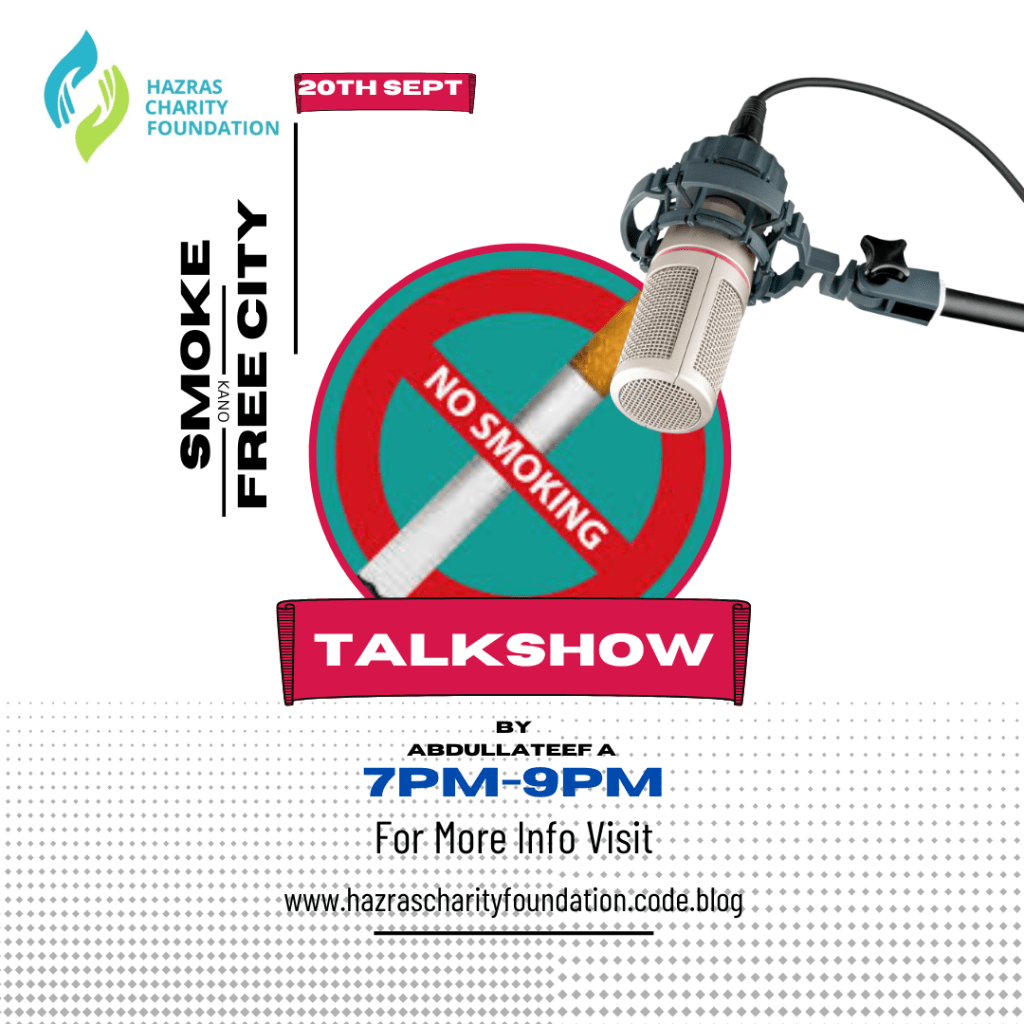
Finally, HCF Suggest that the Knowledge acknowledge acquired in the workshop should not just end here, and as such, a Media Outreach advocacy Program titled “Kano State Smoke Free City” which will hold on 20th September, 2023.





 Hazras Charity Foundation
Leave a comment